

Why Your Nervous System Matters More Than You Think
If you’re dealing with erectile dysfunction and your life feels busy, pressured or constantly “on”, stress may be playing a much bigger role than you realise.
Many men assume ED is either:
A blood flow problem
A testosterone problem
Or a confidence problem
But one of the most powerful drivers of erection quality is your nervous system state.
And stress directly affects it.
How Erections Actually Work
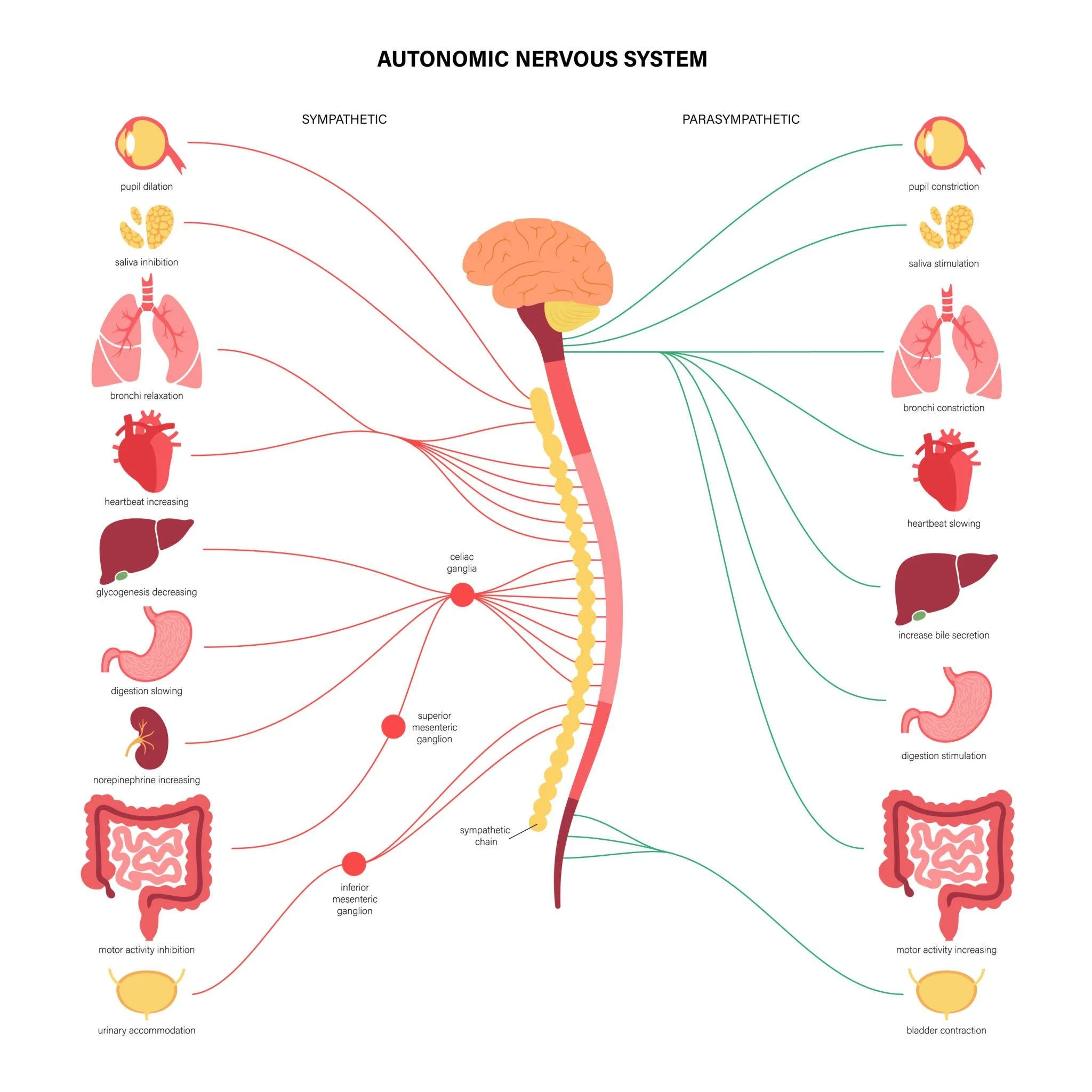
An erection is not just about arousal. It is a coordinated neurological and vascular event.
For an erection to happen:
Your brain must feel safe and receptive.
Your parasympathetic nervous system must activate.
Blood vessels must dilate.
Pelvic floor muscles must contract appropriately to trap blood.
The key word here is parasympathetic.
This is your “rest and digest” system.
Stress activates the opposite system.
Stress Puts You Into Survival Mode

When you’re under stress, your body shifts into sympathetic dominance. This is your fight or flight state.
In that state:
Blood is directed away from the pelvis
Adrenaline increases
Cortisol rises
Muscles tighten, including the pelvic floor
Breathing becomes shallow
Your brain prioritises threat over reproduction
From a biological perspective, this makes sense.
If your body thinks you’re under threat, reproduction is not the priority.
The problem is that modern stress is constant.
Work pressure. Financial responsibility. Family demands. Sleep deprivation. Performance expectations.
Your body does not distinguish between a charging animal and an inbox full of emails.
The Stress-ED Cycle
Stress rarely acts alone. It creates a loop.
You feel stressed.
Erections become less reliable.
You notice the change.
You worry about it happening again.
Performance anxiety increases.
Erections worsen.
Now stress is no longer just external.
It becomes internal and sexual.
This is when men start saying, “It’s in my head.”
But it’s not imaginary.
It is a nervous system issue.
Stress Also Affects Hormones and Blood Flow
Chronic stress can:
Reduce testosterone over time
Increase systemic inflammation
Impair endothelial function (blood vessel health)
Disrupt sleep, which further lowers testosterone
Increase pelvic floor tension
Even if your blood work looks “normal,” your nervous system may still be preventing optimal erectile function.
This is especially common in men under 50 who are otherwise physically healthy.
Signs Stress May Be Driving Your ED
You may recognise this pattern if:
Erections are better on holiday
Morning erections are inconsistent during busy periods
You struggle more during high-pressure weeks
You feel wired but tired
You grind your teeth or clench your jaw
You hold tension in your hips or lower abdomen
Stress does not always feel dramatic.
Sometimes it just feels like “life.”
The Pelvic Floor Connection
When stress is chronic, the pelvic floor often becomes overactive.
A tight pelvic floor can:
Interfere with blood trapping
Create difficulty maintaining erections
Contribute to premature ejaculation
Increase performance anxiety
Many men respond by doing Kegels.
But if the issue is tension, strengthening alone may worsen symptoms.
Assessment matters.
Can Stress-Related ED Be Reversed?
In many cases, yes.
Especially in younger or middle-aged men without severe vascular disease.
Recovery often involves:
Nervous system regulation
Sleep optimisation
Reducing chronic sympathetic dominance
Pelvic floor down-training where appropriate
Addressing cardiovascular health
Targeted therapies if vascular contribution exists
Sometimes that includes shockwave therapy.
Sometimes it does not.
The key is identifying the dominant driver rather than assuming.
It’s Not Weakness. It’s Physiology.
Stress-related erectile dysfunction just means that your nervous system is overloaded.
And in many cases, when that overload is addressed, erections improve naturally.
If you are experiencing ED and suspect stress may be playing a role, a proper assessment should look at:
Vascular status
Hormonal health if indicated
Pelvic floor function
Lifestyle stress load
Psychological contributors
Not just one element.
At Men’s Room, we treat ED with shockwave therapy. Have a chat with us to find out if we can help you. Book your free phone consult here.
Frequently Asked Questions
Can stress really cause erectile dysfunction?
Yes. Chronic stress activates the sympathetic nervous system, which restricts blood flow to the penis and interferes with the parasympathetic state required for erections.
Is stress-related ED permanent?
In most cases, no. When the underlying stress load and nervous system imbalance are addressed, erectile function often improves significantly.
How do I know if my ED is stress related?
If your erections worsen during busy or pressured periods, improve on holiday, or fluctuate rather than disappear completely, stress may be a major contributor.
Does anxiety cause erectile dysfunction?
Performance anxiety can worsen ED, but anxiety is often layered on top of an existing physiological stress response rather than being the sole cause.
Can pelvic floor tension from stress cause ED?
Yes. Chronic stress can cause the pelvic floor to become tight or overactive, interfering with blood trapping and erection quality.